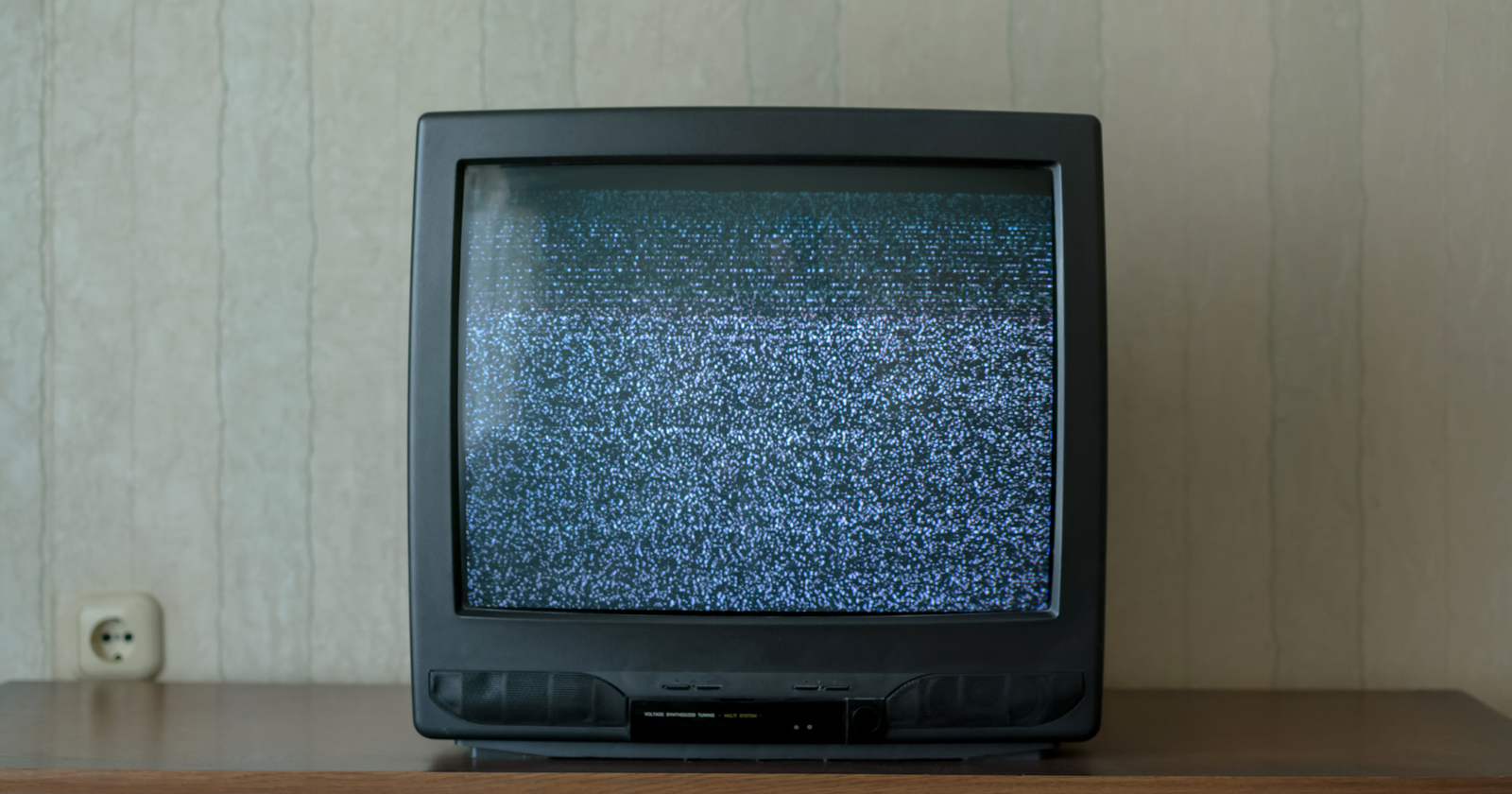
A slice of the static on an old untuned television was the afterglow of the Big Bang, which means millions of people spent decades staring at the oldest light in the universe without knowing it.
News Source : Space Daily
News Summary
- The cosmic microwave background was identified in 1964 and 1965 by Arno Penzias and Robert Wilson.
- They were working with a large horn-shaped antenna at Crawford Hill in Holmdel, New Jersey.
- Isolating the background required a carefully calibrated instrument and more than a year of eliminating everything else.
- The radiation does not date from the beginning of the universe.
- It dates from roughly 380,000 years ago, an epoch cosmologists call "recombination" and "the afterglow of the Big Bang"
The claim is true, though the version of it that gets repeated most often is softer than it sounds.








 Never miss a story from us, subscribe to our newsletter